
If you’re a homeowner in Jefferson, GA, tackling mini split repairs can seem intimidating, but it doesn’t have to be. By understanding your system’s components and common issues, you can take steps to improve efficiency and extend the life of your unit. Knowing when to grab your tools and when to call for help can make all the difference. Let’s investigate some practical tips to keep your mini split running smoothly.
Understanding Your Mini Split System Components
Your mini split system is a marvel of modern HVAC technology, designed to keep your space comfortable year-round. Understanding its components can empower you to perform basic maintenance and repairs.
The system mainly consists of two parts: the indoor and outdoor units. The indoor unit distributes conditioned air, while the outdoor unit houses the compressor and condenser.
You’ll furthermore find the refrigerant lines connecting the two units, carrying the refrigerant that absorbs and releases heat. The remote control allows you to set your desired temperature and mode.
Regularly checking the air filters in the indoor unit is vital for peak performance. You should additionally inspect the outdoor unit for debris that could obstruct airflow. Additionally, efficient air filter replacement can improve indoor air quality and extend the life of your HVAC system.
Familiarizing yourself with these elements not only improves your system’s efficiency but also helps you identify potential issues before they escalate. Being proactive guarantees your mini split system works smoothly, keeping your home comfortable.
Common Issues and Their Solutions
Even with a solid grasp of your mini split system’s components, common issues can still arise. Knowing how to troubleshoot can save you time and money.
Here are some typical problems you might encounter:
- Inadequate cooling or heating: This often means dirty filters or refrigerant issues.
- Unusual noises: Grinding or rattling sounds can indicate loose parts or debris in the system.
- Leaking water: Clogged drain lines are usually the culprit, leading to potential water damage.
- Remote control issues: Dead batteries or signal interference might prevent you from adjusting settings.
Additionally, it’s important to address these problems promptly to maintain the efficiency of your system during peak usage periods.
Essential Tools for DIY Repairs
When tackling DIY repairs on your mini split system, having the right tools can make all the difference. Start with a multimeter to check electrical components and verify everything’s functioning properly.
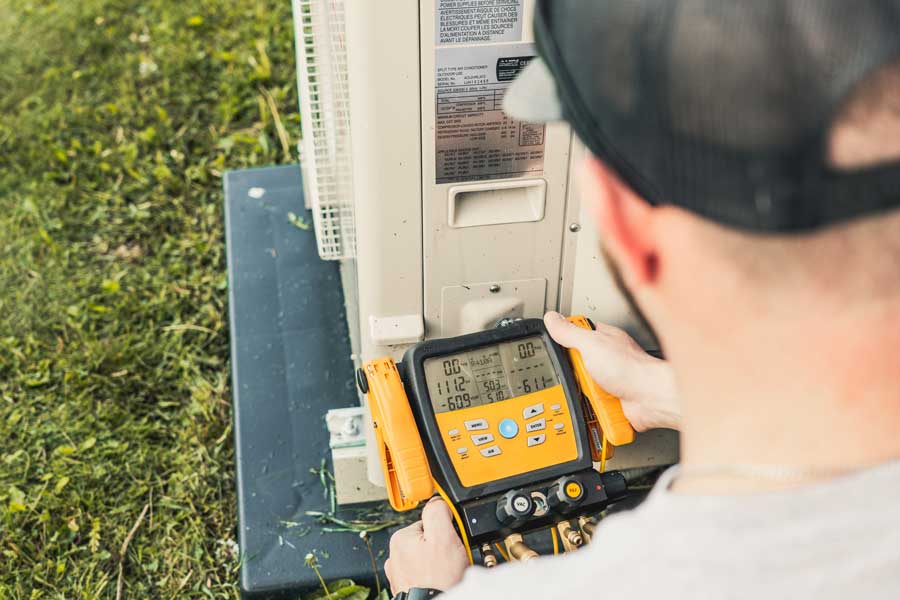
A set of screwdrivers—both flathead and Phillips—will help you access various panels and parts easily. Next, grab a vacuum pump for refrigerant line work, along with a set of gauges to monitor pressure levels. Don’t forget your adjustable wrench for tightening or loosening fittings.
Safety gear is important too; wear gloves and safety goggles to protect yourself during repairs. A level is vital for confirming your unit is mounted correctly. Additionally, understanding the importance of timely AC repair can help you address issues before they escalate.
Finally, have a flashlight handy for those tight, dark spaces. With these tools in your arsenal, you’ll be well-equipped to tackle common mini split issues with confidence and efficiency.
Preventative Maintenance Tips
To keep your mini split system running smoothly, regular preventative maintenance is essential. By taking a few simple steps, you can extend the life of your unit and guarantee it operates efficiently.
Here are some tips to get you started:
- Clean the filters regularly to prevent dust buildup, which can obstruct airflow.
- Inspect the outdoor unit for debris, leaves, or dirt that can hinder performance.
- Check the refrigerant levels to make certain your system is charged correctly; low levels can lead to inefficiency.
- Schedule seasonal check-ups to catch any potential issues before they escalate.
Additionally, remember that proper installation of your mini split system can extend the lifespan of the entire HVAC system.
When to Call a Professional
Knowing when to call a professional can save you time and money, especially when dealing with a mini split system that’s acting up.
If you notice unusual noises, poor airflow, or inconsistent temperatures, it’s time to reach out for help. Don’t ignore warning signs like refrigerant leaks or ice buildup on the coils; these issues can lead to more significant problems if left unattended.
Additionally, if your system frequently cycles on and off or displays error codes, it’s best to consult a technician. Attempting to fix complex electrical or mechanical issues without proper training can be risky.
Professional technicians from Conditioned Air Systems have the expertise and tools to diagnose and repair your mini split effectively.
With 24/7 emergency service, they’re ready to guarantee your home stays comfortable and safe. Remember, sometimes it’s best to let the experts handle it!
Conclusion
By staying proactive with your mini split maintenance, you can keep your system running smoothly, just like a well-oiled machine. Regularly check those filters, inspect the outdoor unit, and have the right tools on hand for minor repairs. If you encounter persistent issues, don’t hesitate to call a professional—it’s better to get expert help than to risk further damage. With these tips, you’ll guarantee your home stays comfortable all year round!