
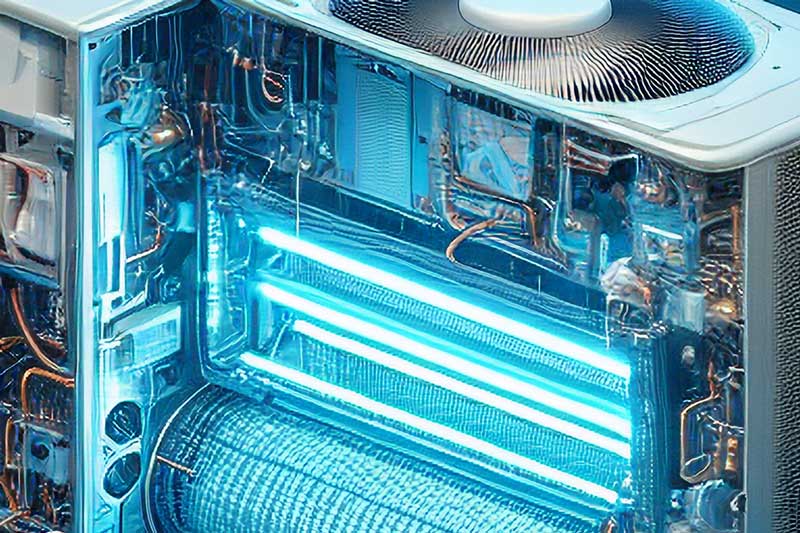
Imagine a refreshing breeze sweeping through your home, clearing away musty odors and allergens. You might not realize it, but your HVAC system could achieve that clean environment. Installing UV lights can effectively combat harmful microorganisms lurking in your indoor space. But what exactly does this technology entail, and how can it transform your home’s air quality? Let’s explore the potential benefits and installation process.
Understanding the Benefits of UV Light in HVAC Systems
While you may not think about it often, the air quality in your home plays an essential role in your overall comfort and health. Installing UV light in your HVAC system can greatly improve that quality.
These lights eliminate harmful microorganisms like mold, bacteria, and viruses, which often thrive in your ducts. When you turn on your HVAC system, the UV light continuously sanitizes the air as it circulates, ensuring you breathe cleaner air.
You’ll also notice reduced allergens, leading to fewer allergy symptoms and a healthier living environment. Plus, with cleaner ducts, your system runs more efficiently, potentially lowering your energy bills. The benefits of HVAC UV light installation include preventing mold and debris buildup, which contributes to the longevity of your HVAC system.
Regular maintenance becomes easier too, as UV lights help keep mold and dust at bay. Investing in UV light installation enhances indoor air quality and promotes a safer and more comfortable home, backed by 24/7 emergency service to handle urgent issues whenever they arise.
Why wait? Consider this upgrade for a healthier living space today!
How UV Light Works to Purify Indoor Air
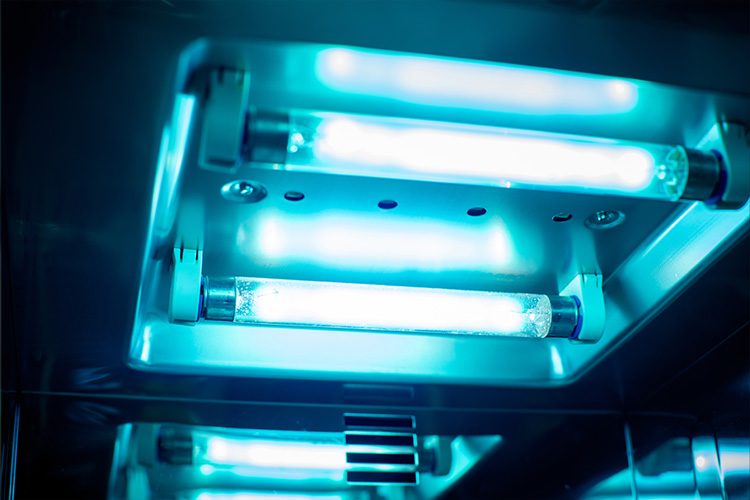
When you install UV lights in your HVAC system, they utilize ultraviolet radiation to neutralize harmful pathogens in the air. This technology targets microorganisms like bacteria, viruses, and mold spores, rendering them inactive and unable to spread.
The UV light works by disrupting the DNA or RNA of these organisms, preventing them from reproducing and causing harm.
As air circulates through your HVAC system, it passes over the UV lights, ensuring continuous disinfection. This not only improves the quality of your indoor air but also helps maintain the efficiency of your HVAC system by preventing microbial growth on coils and other components. Additionally, combining UV light installation with comprehensive air duct cleaning can significantly enhance the overall air quality in your home.
Signs Your Home Could Benefit From UV Light Installation
Do you notice persistent musty odors or frequent allergy flare-ups in your home? These could be signs that your indoor air quality needs improvement.
If you find yourself dusting more often or experiencing respiratory issues, it might be time to consider installing UV lights. UV lights effectively eliminate mold, bacteria, and viruses that can linger in your HVAC system.
Additionally, if you have pets, their dander can exacerbate allergies and impact your air quality. A UV light can help neutralize these allergens.
If family members often get sick or you’ve recently moved into an older home, these are also indicators that your home could benefit from this technology.
Finally, if you’ve noticed an increase in your energy bills, it might be due to your HVAC struggling with contaminants. Installing UV lights can enhance efficiency while creating a healthier living environment. Professional humidifier services are also available to improve indoor air quality further.
The Installation Process for UV Lights in HVAC Systems
As you consider enhancing your indoor air quality, understanding the installation process for UV lights in HVAC systems is crucial.
First, a NATE-certified technician from Conditioned Air Systems will assess your HVAC system to determine the best location for the UV light installation. Typically, they’ll install the light near the air handler or evaporator coil, where it can effectively target mold spores and bacteria.
Next, the technician will turn off your HVAC system to guarantee safety during installation. They’ll mount the UV light securely and connect it to the electrical system, ensuring proper wiring and functionality.
Once everything’s in place, they’ll power it back on and test the system to confirm the UV light operates correctly. Finally, the technician will explain how the UV light works and what you can expect regarding indoor air quality improvements. This thorough process benefits you from cleaner, healthier air in your home, enhancing air quality and comfort for you and your family.
Maintaining Your HVAC UV Light System for Optimal Performance
After your UV light installation is complete, maintaining it’s key to guaranteeing peak performance and continued air quality improvements.
Regular upkeep helps you get the most out of your investment and keep your indoor environment healthy.
Here are three essential maintenance tasks to keep in mind:
- Replace Bulbs Annually: UV bulbs lose effectiveness over time. Check and replace them at least once a year to maximize sterilization capabilities.
- Clean the Fixtures: Dust and dirt can accumulate on the UV light fixtures. Wipe them down regularly to guarantee ideal light exposure and performance.
- Schedule Professional Inspections: Have a technician from Conditioned Air Systems evaluate your system annually. This helps catch any issues early and guarantees everything runs smoothly.
Conclusion
In the battle against indoor air pollutants, installing HVAC UV lights can be your shield and sword. While stale air clogs your home, UV lights sweep in like a fresh breeze, zapping away harmful bacteria and allergens. Imagine breathing easily in a space where musty odors fade and comfort thrives. Don’t let hidden threats linger; take action now for a healthier environment. With UV light, you’re not just improving air quality—you’re transforming your home into a sanctuary.