

Dahlonega sits at nearly 1,500 feet of elevation in the heart of Lumpkin County, and the winters here are a different animal than what you find in the flatlands further south. Temperatures drop hard, cold spells linger, and a furnace that is not performing at full capacity is not just uncomfortable.
Watch for these warning signs:
At Dahlonega’s elevation and in its climate, these signs deserve prompt attention. A furnace that struggles during a mild cold snap will fail during a hard freeze.
Dahlonega has a housing character unlike most of north Georgia. There are older Victorian-era and early twentieth century homes in and around the historic square, mid-century residences in established neighborhoods, cabin-style properties and vacation homes in the surrounding hills, and newer construction that has come with recent growth. Every one of these home types presents distinct heating challenges.
Older homes in Dahlonega frequently have original or early-replacement ductwork that was never designed for modern heating demands, and heat exchangers that have been through more cold seasons than most. The mountain humidity here is real and persistent, and it takes a toll on metal components, duct connections, and insulation inside crawl spaces and attics over time.
Vacation and seasonal properties present a different kind of challenge entirely. Cabins and second homes that sit unoccupied for stretches of time are vulnerable to issues that develop quietly and then announce themselves when the owners arrive and fire up the heat for the first time in weeks or months.
A furnace repair call in Dahlonega requires a technician who understands both the equipment and the environment it is operating in. Mountain elevation affects combustion, venting dynamics, and the demands placed on the system in ways that do not apply at lower altitudes. We account for all of that in every call we take here.
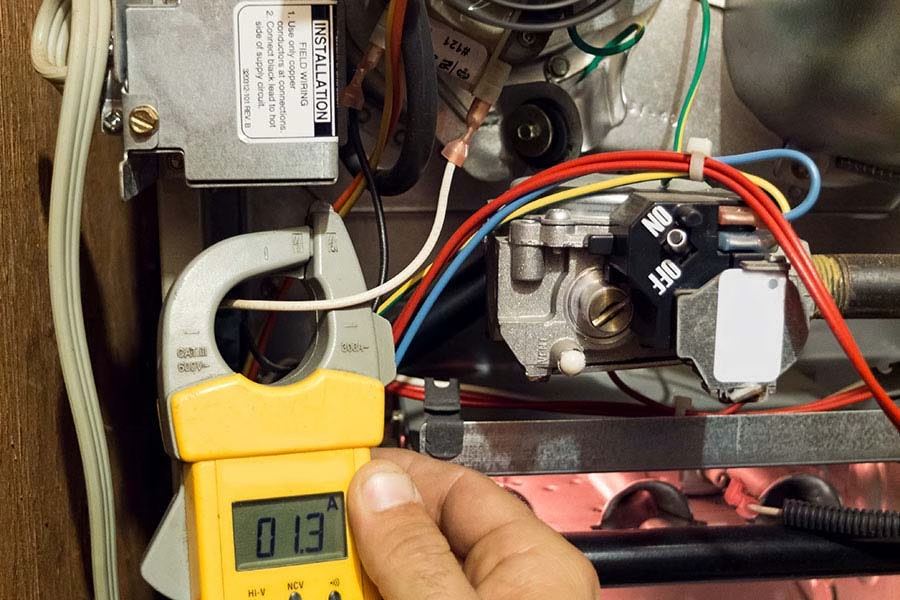
We start with a full safety assessment covering the heat exchanger, flue, combustion components, and any carbon monoxide concerns. From there we test the ignition system, blower motor, capacitor, and control board, verify gas pressure and valve operation, and check thermostat calibration.
Our NATE-certified technicians train monthly on all makes and models of heating equipment. The variety of property types in Lumpkin County means we need to be ready for anything from a vintage system in a historic home to a modern high-efficiency unit in a newer build, and our training keeps us prepared for all of it.
Morrison Moore Parkway runs through one of Dahlonega’s primary residential corridors, connecting the historic downtown area to the newer growth on the edges of the city. On a cold January morning we got a call from a woman named Frances whose heat had stopped working sometime overnight. She had a houseful of family staying with her and the temperature inside was dropping steadily.
Our technician arrived within the hour. The system had a failed hot surface ignitor combined with a draft inducer that was struggling to build adequate pressure. At Dahlonega’s elevation, draft and combustion air dynamics are more sensitive than at lower altitudes, and the inducer was working harder than it should have been.
We replaced the ignitor, addressed the inducer issue, and ran the system through a full diagnostic cycle to confirm proper operation. Frances mentioned the house had been slower to heat up than usual for most of the winter. We walked her through what to watch for going forward and made sure she knew to call us at the first sign of anything unusual.
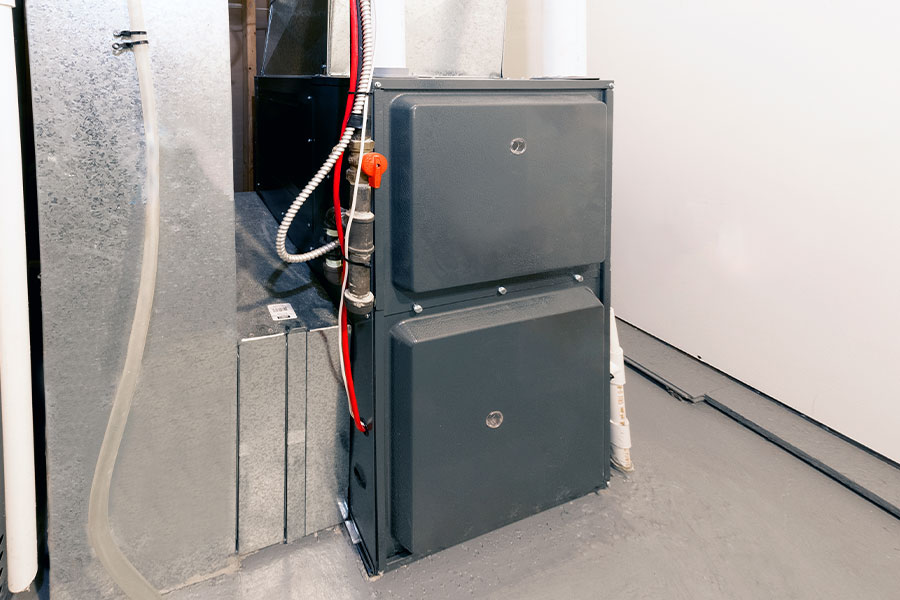
We have been serving north Georgia’s mountain communities since 1983, and Dahlonega has been part of our territory for a long time. We understand the demands that this climate and elevation place on home heating equipment.
Here is what you get when you work with us:
We know what it means to be without heat in a mountain winter, and we take that seriously on every call.
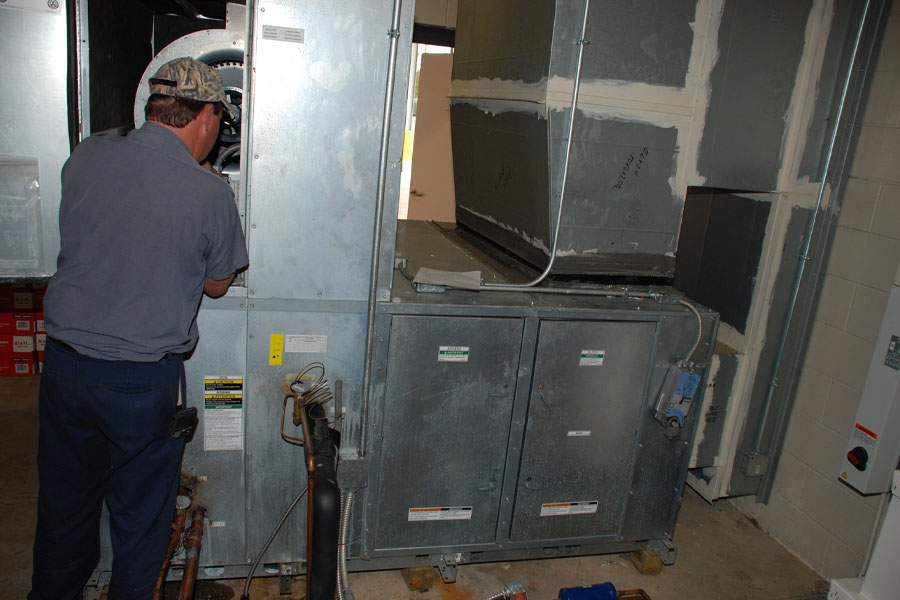
Yes. At Dahlonega’s elevation, the air is less dense, which affects combustion efficiency and the performance of draft-dependent components like the inducer motor and pressure switch. Furnaces at higher elevations work harder to maintain combustion, which can accelerate wear on these components and make proper venting and airflow even more important than at lower altitudes.
Several things can cause a heating system to fail after a period of inactivity. Condensate lines can clog, ignitors can fail during the first startup attempt after sitting idle, and components that were marginal before the break can give out under the stress of first use. A pre-season inspection before extended absences is the best way to avoid arriving to a cold cabin.
The combination of cold temperatures and persistent moisture at mountain elevations is particularly hard on metal components, duct connections, and insulation. Corrosion develops faster, duct seals deteriorate more quickly, and crawl space moisture conditions can be severe even in relatively new homes. Annual maintenance helps identify and address these issues before they affect system performance.
Older homes in Dahlonega’s historic neighborhoods were not built with modern heating efficiency in mind. Gaps in the building envelope, original or early ductwork, and high ceilings all make these homes more challenging to heat. A furnace that is properly sized and in good repair can still do the job, but the system needs to be in top condition to compensate for the building’s inherent limitations.
Yes. We work on all types of residential heating systems throughout Lumpkin County, including systems in cabin-style properties, vacation homes, and non-traditional construction. If it produces heat and it is broken, we can diagnose and repair it.
Yes. We offer 24/7 emergency service throughout north Georgia, including Dahlonega and the surrounding Lumpkin County area. Given the temperatures this area can reach in winter, we treat heating emergencies here with the urgency they deserve. Call us any time and we will get someone out to you.