

Sugar Hill sits at the northern edge of Gwinnett County where the suburban fabric of metro Atlanta starts giving way to the more open character of Hall County to the north. It is one of the more densely residential cities in this part of Georgia, with neighborhood after neighborhood of single-family homes built during the sustained growth waves of the 1990s and 2000s that transformed this corridor into one of the fastest-growing areas in the country. Those homes are now at the age where the original HVAC equipment is squarely in the window of most frequent and costly failures.
What distinguishes Sugar Hill from other Gwinnett communities is the consistency of its housing stock. Unlike cities with a wide mix of construction eras, a large share of Sugar Hill was built within roughly a fifteen-year window. That means the furnaces across a significant portion of the city are aging at roughly the same rate, and the repair patterns we see here tend to cluster around the same equipment generations and the same failure modes. When one neighborhood starts seeing a wave of blower motor and heat exchanger issues, the neighborhoods around it are usually not far behind.
Conditioned Air Systems has been serving Gwinnett County and the north Georgia region since 1983. We understand the equipment that runs in Sugar Hill homes and the conditions those systems face across a Georgia winter.
In a community where a large share of the furnaces are the same age, the warning signs tend to show up around the same time too. These are the ones worth paying attention to before a developing problem becomes a mid-winter breakdown.
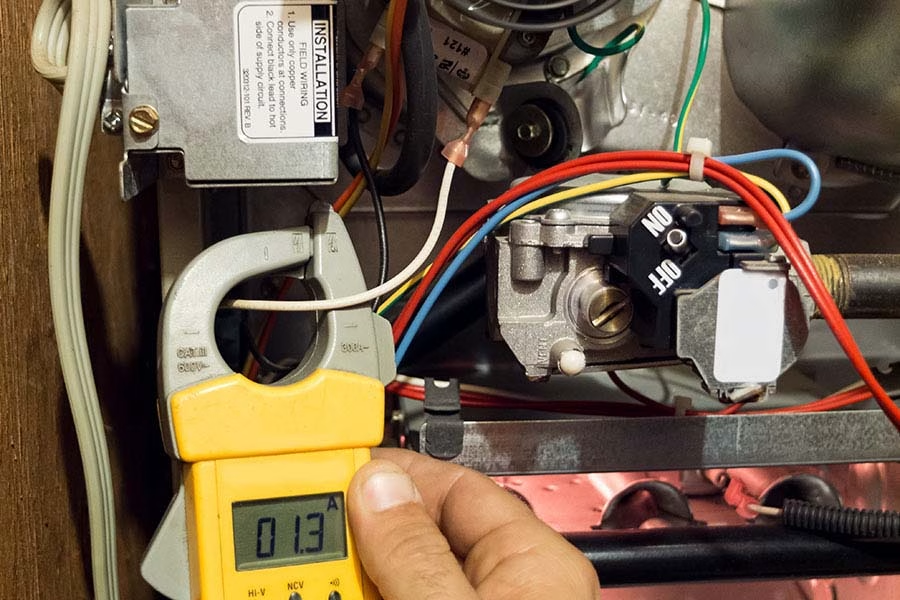
A tripped breaker on the furnace circuit is something homeowners often reset without investigating the cause. In a system that is 15 to 20 years old, a tripping breaker usually means a motor or control component is drawing more current than it should, which is a sign of imminent failure rather than a random electrical event. Resetting it buys time but does not address what is happening inside the equipment.
The generational consistency of Sugar Hill’s housing stock means we see a concentrated set of failure patterns here that is more predictable than in communities with wider construction timelines. Draft inducer motor failures top the list right now. The inducer motors in systems from the late 1990s and early 2000s are reaching the end of their service life in large numbers, and when one fails the furnace shuts down on a safety lockout that looks to the homeowner like a complete system failure. It is not always that dire, but it requires prompt attention because a furnace without a functioning inducer cannot safely vent combustion gases.
Control board failures are another pattern we see frequently in Sugar Hill. The circuit boards that manage ignition sequencing, safety monitoring, and blower timing in that generation of equipment are susceptible to heat stress and voltage irregularities over long service lives. A failing control board can produce erratic behavior that is genuinely difficult to diagnose without the right equipment and training, and it is one of the more common reasons homeowners in Sugar Hill end up calling for a second opinion after a previous service visit did not resolve the problem.
Two-story homes, which are common throughout Sugar Hill’s subdivisions, also present consistent duct balance issues that become more noticeable as systems age and blower performance declines. When the blower loses efficiency, the upper level is almost always the first place the temperature difference shows up, and homeowners often assume the problem is a zoning or thermostat issue when the root cause is a motor that is no longer moving air the way it used to.
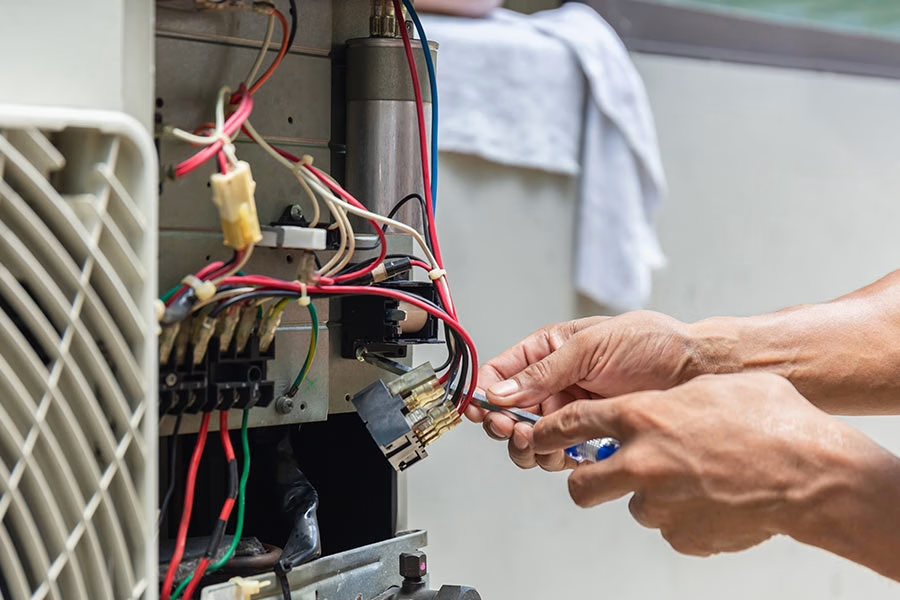
We do not approach a Sugar Hill service call any differently than we approach any other job, which means we start with a complete diagnostic before recommending anything. For the equipment generations common in this area, that includes checking the inducer motor operation and current draw, inspecting the heat exchanger for stress cracks, testing the control board for fault codes and erratic behavior, evaluating the blower motor and capacitor, verifying condensate drainage, and confirming all safety controls are functioning correctly. We also check static pressure and airflow in two-story homes where duct balance issues are contributing to the problem.
We explain what we find in terms that make sense without requiring a background in HVAC. If there is one repair needed, we do it. If there are multiple issues, we lay them out by priority and let you decide how to proceed. We do not manufacture urgency around items that genuinely can wait, and we do not downplay items that cannot.
Every repair we complete is backed by a full one-year warranty on parts and labor. Our NATE-certified technicians train monthly on all makes and models, and they specifically maintain working knowledge of the equipment generations that are aging out across Sugar Hill and the surrounding Gwinnett communities right now. Being prepared for what we are likely to find means fewer surprises for everyone.
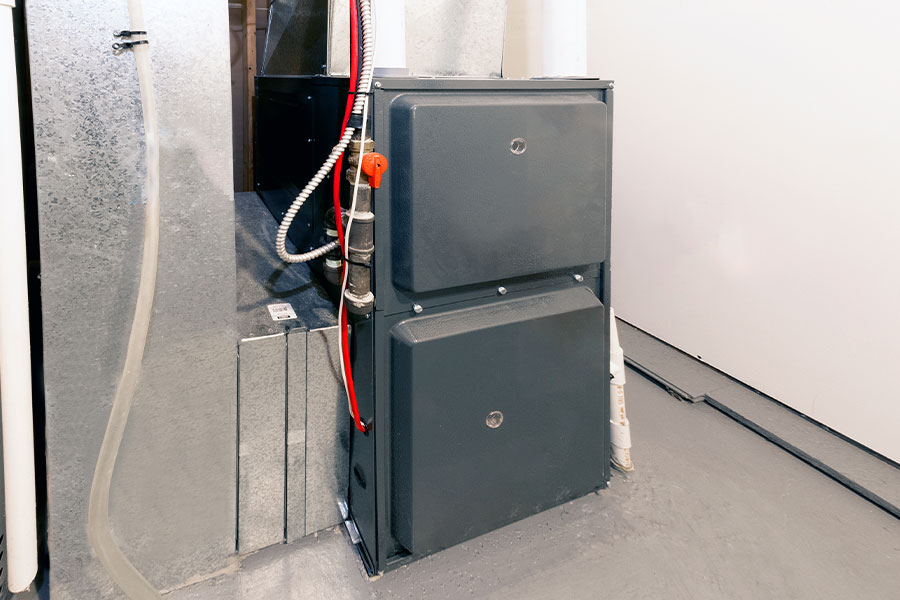
Laurel Brooke is one of the established subdivisions in Sugar Hill, with homes built primarily in the early 2000s that are now at exactly the age where original furnace components start failing in earnest. Last winter we got a call from a homeowner named Kim whose furnace had stopped producing heat entirely overnight. When she checked the unit in the morning, the error light was flashing a code she did not recognize, and the system would not restart no matter what she tried at the thermostat.
When our technician arrived and ran the diagnostic, the fault code pointed to a draft inducer lockout. The inducer motor had failed overnight, which triggered the furnace safety controls to shut the system down completely rather than allow combustion without proper venting. The motor had been showing signs of strain for a while but had not yet produced symptoms obvious enough to prompt a call. A small amount of rust on the motor housing and slightly elevated current draw in a prior season would have flagged it earlier, but without a recent maintenance visit those signals had gone unnoticed.
We replaced the inducer motor on the same visit, cleared the fault code, and ran the system through multiple heat cycles to confirm proper draft and clean ignition before wrapping up. Kim mentioned she had been putting off scheduling a tune-up for two seasons. The inducer replacement got her heat back the same morning she called, but a maintenance visit the prior fall likely would have caught the motor before it failed entirely. That is the honest case for annual service, and we make it without exaggerating.
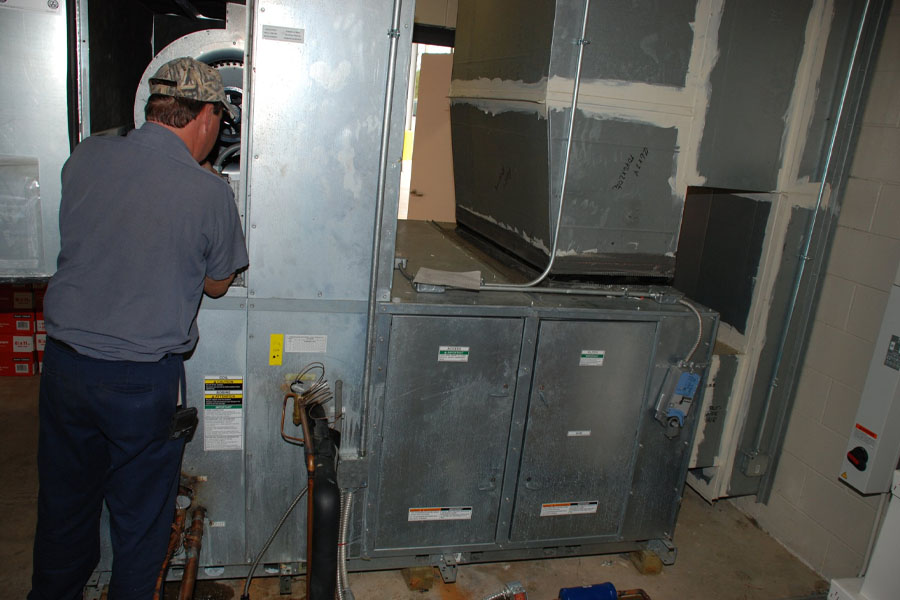
Sugar Hill has plenty of HVAC options, and we earn the work by being straightforward, showing up prepared, and standing behind every repair we make. Here is what homeowners here get when they call us.
With more than 75 trained professionals across north Georgia and north metro Atlanta, we have the depth to respond quickly and the experience to get it right the first time. In a community where a lot of furnaces are the same age and failing the same way, having a company that already knows what to look for makes a real difference.
The draft inducer motor pulls combustion gases through the heat exchanger and out the flue before the burners ignite. Without it running correctly, the furnace cannot safely vent combustion byproducts, so the safety controls shut the entire system down. It is one of the more common failure points in furnaces from the late 1990s and early 2000s, which represent a large share of Sugar Hill’s housing stock.
In two-story homes, the upper level is the first place temperature imbalance shows up when a furnace blower loses efficiency with age. As the motor weakens it can no longer push adequate airflow to the farthest registers, and the upper level suffers first. Duct balance issues that develop over time compound the problem. A technician can measure static pressure and airflow to determine whether the cause is the motor, the ducts, or both.
You can reset it once to see if it was an isolated event, but if it trips again do not keep resetting it. A repeatedly tripping breaker on a furnace circuit usually means a motor or control component is drawing excess current due to imminent failure. Continuing to reset it risks damaging additional components or creating a more serious electrical situation.
A failing control board often produces inconsistent or erratic behavior that is hard to pin down, such as the furnace starting and stopping without completing a full cycle, error codes that appear and clear on their own, or a system that works fine sometimes and not at all other times. These symptoms can be misdiagnosed without the right diagnostic equipment, which is one reason control board issues sometimes persist after a first service visit that focused on more obvious components.
Yes. We provide 24/7 emergency service throughout Gwinnett County and north Georgia, including Sugar Hill. If your furnace goes down outside of regular hours, call us and we will dispatch a technician as quickly as possible. We stock our vehicles for the equipment generations common in this area, so most repairs can be completed on the first visit.